
Physics • Dark Matter
Dark matter: democratizing access to rare, high-value scientific datasets
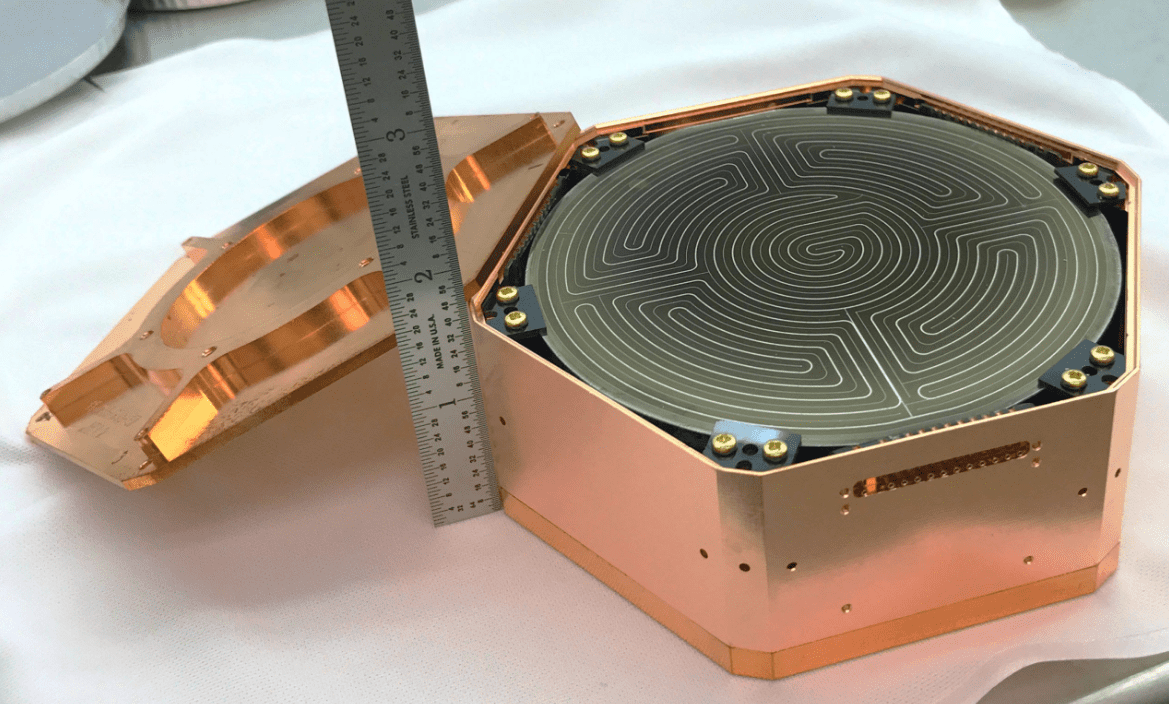
Dark matter remains one of the greatest mysteries in physics, yet many valuable datasets are difficult to access because they rely on proprietary data formats and specialized software. NSDF transforms the publicly available R76 calibration dataset into an open, interoperable resource by providing modern data formats, interactive visualization, and scalable analysis tools. Researchers from physics, computer science, and data science can now explore, analyze, and build new workflows without relying on collaboration-specific software.
The Scientific Challenge
Dark matter experiments generate unique datasets that are often stored in custom formats and accessed through monolithic software developed within individual collaborations. These barriers make it difficult for new researchers to explore the data, reproduce analyses, or apply modern machine learning methods, limiting collaboration and scientific innovation across disciplines.
How NSDF Helps
NSDF converts proprietary MIDAS data into the open IDX format, making the dataset easier to visualize, search, and analyze. It provides interactive web dashboards for exploring detector signals, cloud-based storage for persistent access, and command-line tools that integrate seamlessly with Python libraries and scientific workflow systems. Together, these services make complex dark matter data accessible to a much broader research community.
Scientific Impact
By removing barriers created by proprietary software and specialized workflows, NSDF enables researchers to reuse high-value calibration data for visualization, machine learning, and reproducible scientific workflows. The platform lowers the barrier to entry for students and interdisciplinary collaborators while expanding opportunities for innovation in dark matter research and other data-intensive scientific domains.
Key Outcomes
- Open Data Access — Converts proprietary detector data into open, interoperable formats.
- Interactive Exploration — Enables researchers to visualize detector signals directly in a web browser.
- AI-Ready Workflows — Integrates with Python, TensorFlow, and workflow systems for scalable analysis.
- Broader Scientific Community — Makes valuable dark matter datasets accessible beyond the original collaboration.